
decorative sandblasting
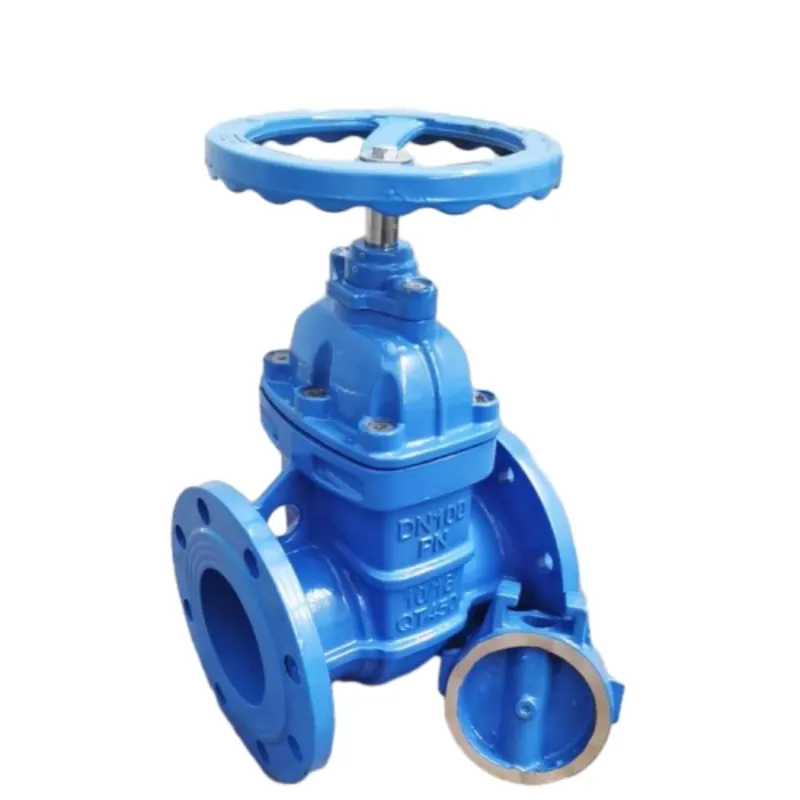
Understanding the 63mm Gate Valve An Essential Component in Fluid Control Gate valves are integral to many industrial applications, serving a critical role in the management and regulation of fluid flow. Among the various sizes and types of gate valves, the 63mm gate valve stands out for its versatility and efficiency. In this article, we will explore the features, benefits, and applications of the 63mm gate valve, shedding light on why it is essential in various industries. What is a Gate Valve? A gate valve is a type of valve used to control the flow of liquids and gases in a pipeline. It operates by raising or lowering a gate mechanism, which can either fully open or completely close the flow of fluid. This design minimizes pressure loss and provides a smooth flow, making gate valves highly effective for applications where full flow is essential. Features of the 63mm Gate Valve The 63mm gate valve is designed to accommodate pipes with a nominal diameter of 63 millimeters. Typically constructed from durable materials such as cast iron, brass, or stainless steel, these valves offer robust performance even in challenging environments. They feature a simple yet effective design, which includes 1. Rugged Construction Designed to withstand high pressure and temperature variations, making them suitable for a range of applications. 2. Ease of Operation The operation mechanism, often handwheel or gear-driven, allows for smooth opening and closing, facilitating rapid flow control. 3. Low Flow Resistance The straight-through design ensures minimal turbulence and pressure drop, which is critical in maintaining system efficiency. Benefits of Using a 63mm Gate Valve gate valve 63mm 1. Reliability With their straightforward design and fewer moving parts, gate valves are known for their reliability and long service life. This makes them a preferred choice in critical applications. 2. Versatility The 63mm size makes these valves suitable for various hydraulic applications, whether in water supply systems, sewage treatment plants, or industrial processes. 3. Cost-Effectiveness While the initial investment may vary, the long-term savings on maintenance and downtime make gate valves a cost-effective solution. 4. Minimal Leak Potential When fully closed, the design of the gate valve significantly reduces the chance of leaks, ensuring safety and efficiency in fluid control. Common Applications The 63mm gate valve finds use in numerous sectors, including - Water Supply and Distribution Essential in municipal water systems for controlling flow and maintaining pressure. - Fire Protection Systems Used in fire hydrant systems to regulate water supply effectively. - Industrial Processes Commonly found in chemical processing, oil and gas applications, and power generation plants. Conclusion In conclusion, the 63mm gate valve plays a vital role in fluid management across various industries. Its reliability, versatility, and efficient design make it an essential component in ensuring smooth and controlled fluid flows. As industries continue to evolve, the importance of such valves in optimizing operations and maintaining safety cannot be overstated. From municipal water systems to complex industrial applications, the gate valve remains a cornerstone of modern engineering solutions. Investing in high-quality gate valves is not merely about compliance but about enhancing operational efficiency and ensuring long-term reliability.
about
decorative sandblasting
Understanding Linear Guide Rail Bearings A Comprehensive Overview Linear guide rail bearings are essential components in the realm of precision machinery and other industrial applications. They provide a mechanism for linear motion, enabling smooth and accurate movement of platforms, carriages, or machinery along a fixed path. With the increasing demand for automation and robotics, understanding the functionality, types, and applications of linear guide rail bearings becomes imperative. What Are Linear Guide Rail Bearings? Linear guide rail bearings consist of a set of guide rails and bearing blocks that work in conjunction to facilitate linear motion. The guide rails are typically made from high-strength materials such as steel or aluminum, ensuring durability and resistance to wear. The bearing blocks, which travel along the rails, are designed to carry loads and maintain precise alignment, minimizing friction and allowing for smooth movement. The primary function of these bearings is to support moving parts in a straight line while minimizing play and maximizing accuracy. This precision is crucial in various applications, from CNC machines to robotic arms and assembly lines. Types of Linear Guide Rail Bearings There are several types of linear guide rail bearings, each designed for specific applications and requirements 1. Ball Linear Guides These bearings use steel balls to reduce friction between the guide rails and the bearing blocks. They are widely used for their ability to handle light to moderate loads while providing excellent accuracy and motion smoothness. 2. Roller Linear Guides Unlike ball guides, roller linear guides employ cylindrical rollers, which can carry heavier loads and provide greater rigidity. They are ideal for applications where higher load capacities and longer service life are required. 3. Magnetic Linear Guides These innovative guides utilize magnetic levitation to eliminate contact between moving parts, significantly reducing friction and wear. They offer an almost frictionless motion, making them suitable for high-speed applications and environments requiring minimal maintenance. 4. Profiled Rails These guides feature a unique shape that maximizes contact area with the bearing blocks, providing superior load distribution and stability. They are commonly used in demanding applications where high precision is necessary. Applications of Linear Guide Rail Bearings Linear guide rail bearings are versatile components used in various industries, including linear guide rail bearing - Manufacturing In CNC machines, linear guides ensure accurate movement of cutting tools and workpieces, leading to high-quality machining outcomes . - Robotics Linear motion systems in robotic arms depend on guide rails to achieve precise positioning, essential for tasks such as welding, painting, or assembly. - Medical Equipment In medical devices, precision and reliability are paramount. Linear guides are utilized in applications like surgical tables and imaging systems to ensure accurate and smooth movement. - Automation Conveyor systems, pick-and-place machines, and automated storage systems all rely on linear guide rail bearings for effective and reliable operation. Choosing the Right Linear Guide Rail Bearing Selecting the appropriate linear guide rail bearing involves considering several factors - Load Capacity Determine the maximum load the bearing must support, including any dynamic loads during operation. - Speed Requirements Assess the speed at which the application will operate, as this influences the type of bearing that may perform best. - Precision Needs Consider the tolerances required for the application. High-precision systems may need profiled rails or specialized bearings. - Environmental Considerations In environments with dust, moisture, or extreme temperatures, corrosion-resistant materials or sealed bearings may be necessary. Conclusion Linear guide rail bearings play a critical role in the efficient operation of numerous machines and systems across a wide range of industries. Their ability to provide precise, low-friction linear motion makes them indispensable in applications where accuracy and reliability are crucial. By understanding the various types of linear guides and their respective applications, engineers and designers can make informed decisions that enhance the performance and longevity of their machinery. As technology continues to evolve, linear guides will undoubtedly remain a fundamental component of automated systems and modern manufacturing processes.
-

High quality industrial productsagement

High quality industrial products
View Details -

Meet the diverse needs of customers

Meet the diverse needs of customers
View Details -

Strict quality control

Strict quality control
View Details -

Top raw materials

Top raw materials
View Details -

Trusted supplier

Trusted supplier
View Details
Our application


news and information

Válvulas de compuerta y globo
Válvulas de compuerta y válvulas de globo Una comparación Las válvulas son componentes esenciales en
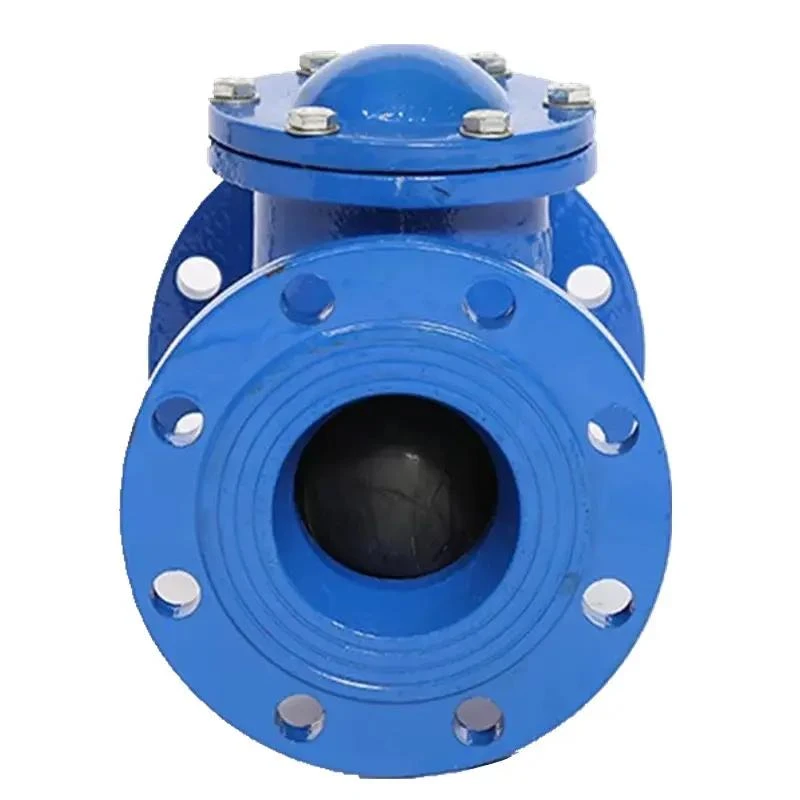
Various Types of Non-Return Valves and Their Applications in Fluid Control
Understanding Non-Return Valve Types Non-return valves, also known as check valves, play a crucial r

Valve Solutions for Industrial Applications _ Precision Engineering & Innovation
The Evolution of Valve Technology in Modern Industries In recent years, valve technology has become
 English